7 Days Shipping in “Ship Now” Collection
WORLDWIDE SHIPPING EXCEPT INDIA
Minimum Order Value: $1000
04 August, 2026
Zircon crystals are important because they carry the oldest record of the Earth that anyone has ever found. Some zircon crystals found in Australia have been dated at around 4.4 billion years, and nothing older than them has come from this planet so far.
Now, you might be wondering what a gemstone has to do with the age of the Earth. The answer sits inside the crystal, as the zircon locks a small clock in itself when it forms, and the scientists have been reading that clock for decades.
Here in this blog, we will talk about why zircon crystals matter in science, in jewelry, and in the industry too, so you can know the full worth of this stone.
So, let's get started.
The Earth is around 4.5 billion years old, and the oldest pieces of it that anyone has managed to find are the zircon crystals. The crystals came from a place called the Jack Hills in Western Australia, and the dating on the oldest of them has come out at around 4.4 billion years, which puts them within the first 150 million years of the planet itself.
The size of these record holders surprises most people, as the Jack Hills zircons are tiny grains that need a microscope for any proper study, and the scientists have been picking them out of the sandstone there since the 1980s.
Nothing else has come close to their age so far. The oldest whole rocks found on the planet sit around the 4 billion mark, so these small grains stay older than every rock anyone has dated, and that is the first reason the science keeps going back to them.
A zircon starts working as a clock on the day it forms. The growing crystal lets the uranium atoms enter its structure in small amounts, but the lead does not fit into that structure at the forming time, so a fresh zircon begins its life carrying some uranium and no lead at all.
The uranium then does what the uranium always does, it keeps breaking down into lead at a speed that never changes. The scientists know this speed very well, so when they pick up an old zircon and measure how much of its uranium has turned into lead, the math gives them the time that has passed since the crystal formed.
This is the reading the labs did on the Jack Hills grains, and the same reading keeps getting used on the zircons from all over the world for putting an age on the rocks around them. The method is called uranium-lead dating, and the zircon is the crystal it works best on.
Age is not the only thing that gets locked inside a zircon. The crystal also traps the chemistry of the place it formed in, and the scientists can measure that chemistry today the same way they measure the uranium and the lead in it.
In the Jack Hills grains, those measurements showed the type of oxygen readings that form when liquid water is present around a growing crystal, and the grains carrying these readings dated as far back as around 4.3 billion years.
Before these readings came in, the common teaching kept the Earth molten and dry for roughly its first 500 million years. The zircon numbers pulled the water back to a much earlier date than that teaching allowed, so the young Earth was most probably a cooler and wetter place than what the older books described.
The scientists still argue over parts of these readings, and the new batches of the grains keep going under the machines every year, so some of these numbers may shift with future studies too.
A zircon lasts because very little in nature can damage it. The crystal scores around 7.5 on the Mohs scale, the chemicals sitting in the ground barely react with it, and the heat and the pressure that change the rocks around it usually leave its inside untouched.
The Jack Hills case shows how far this lasting goes. The rocks in which those zircons first formed wore down billions of years back, the freed grains got carried by the water and settled with the sand, and a newer sandstone formed around them and kept holding them till the scientists pulled them out in the 1980s.
So a zircon regularly outlives its own parent rock, and a geologist picking one grain out of a riverbed can still read the age of a rock that stopped existing a long time back. No other common mineral gives them that reading with this much surety.
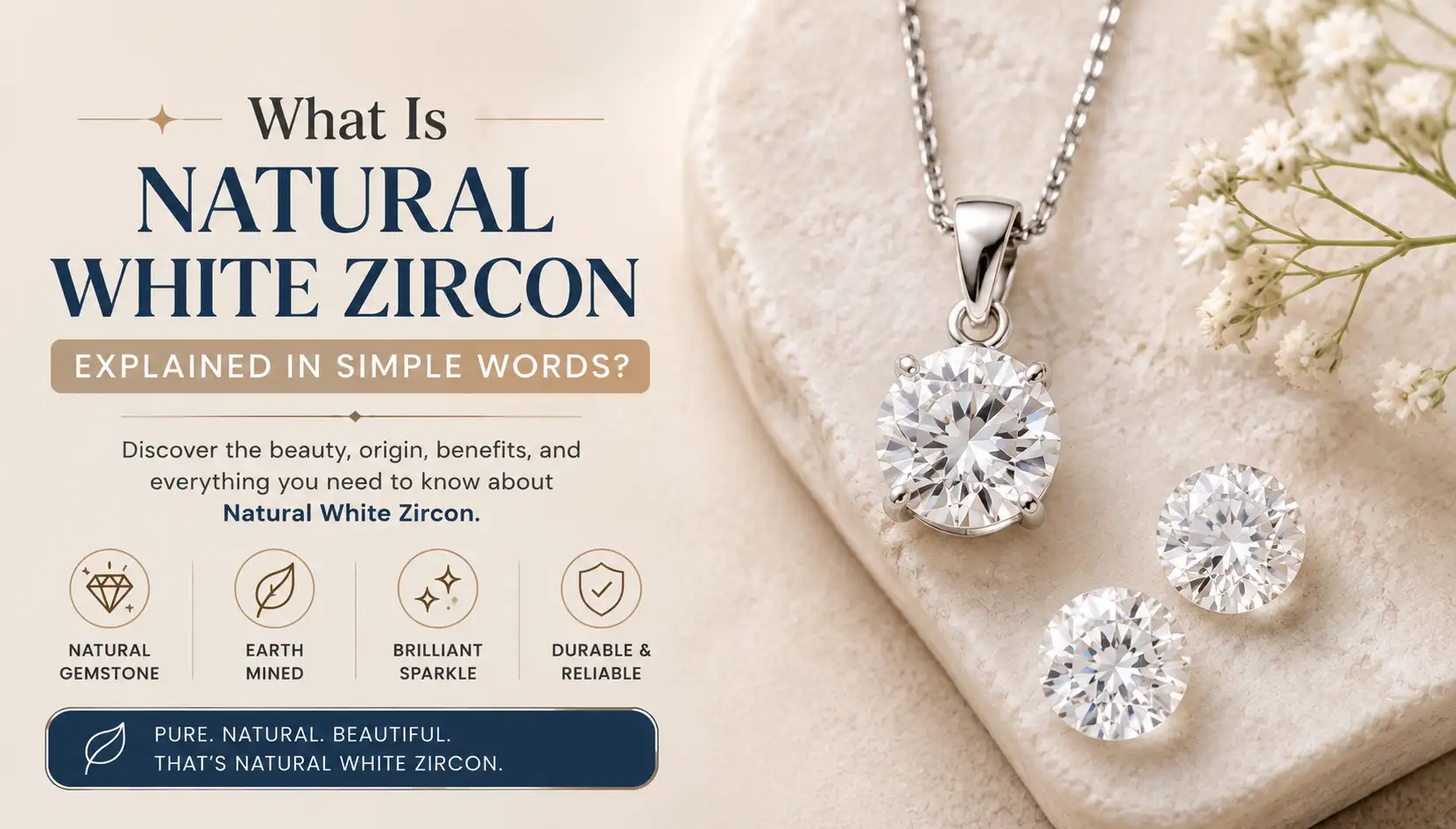
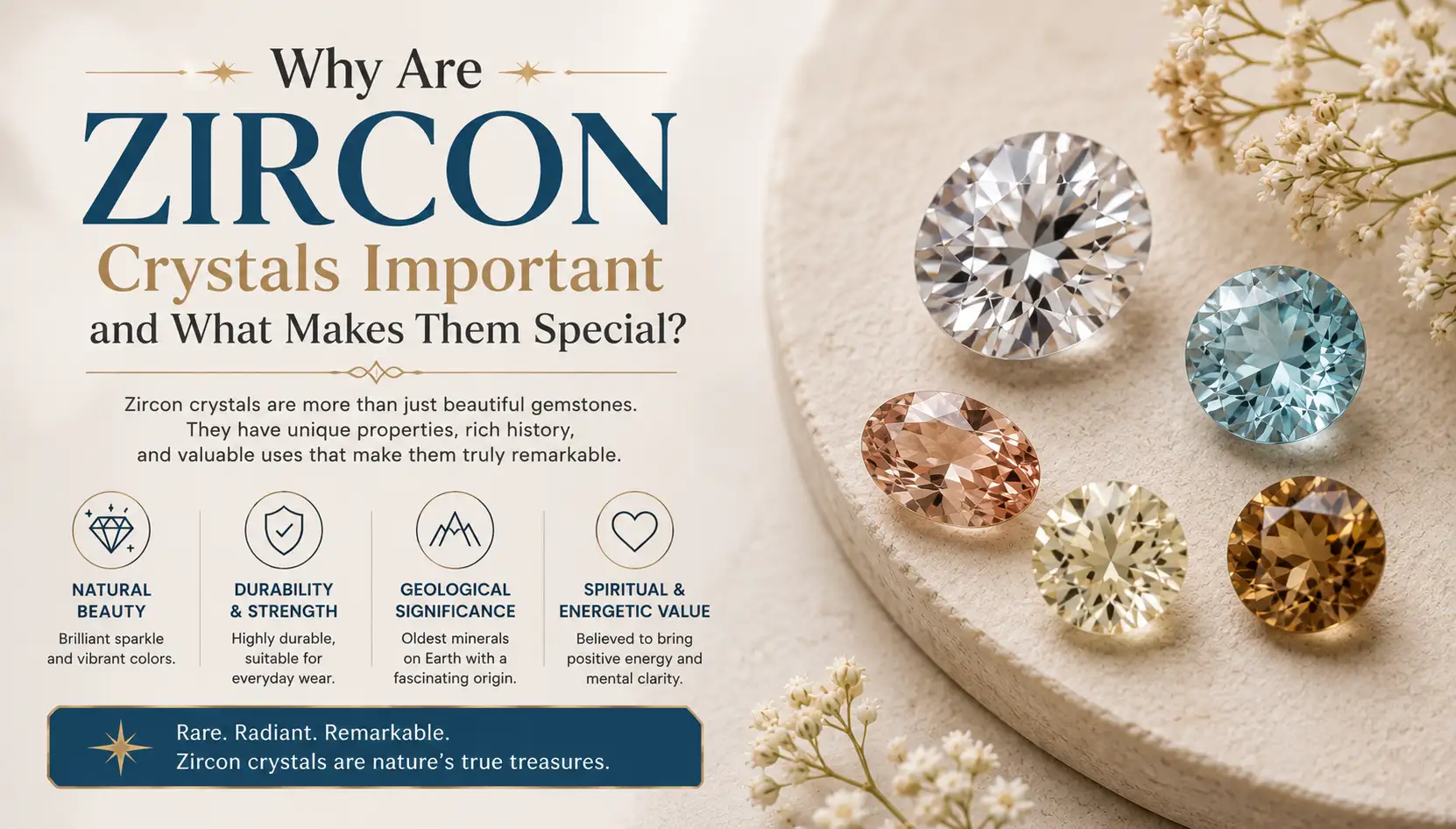
The jewelry trade values the zircon for reasons that have nothing to do with its age. The stone bends the light strongly and splits it into colors the way very few natural stones manage, so a well-cut zircon gives a fire that gets compared with the diamond, and the white zircon has been selling as the honest natural alternative to the diamond for a long time because of it.
The stone also holds a place in the birthstone list, as the zircon is one of the birthstones of December, and the blue zircon stays the most bought version of it. The blue comes from heating the brown pieces, the trade has been doing that treatment openly for over a century, and the buyers get the color at a price the sapphires never offer.
One problem follows this stone in the market, though. The name sounds like the cubic zirconia, which is a lab-made product with no relation to the natural zircon, and many buyers walk away from a real gemstone thinking they were being sold the fake one.
Most of the zircon mined in the world never reaches a jewelry counter, and the industry takes that bigger share for its own uses. The zircon sand goes into the ceramics first, as the powder made from it gives the tiles and the sanitary wares their white color and their hard surface, and this use alone eats most of the supply.
The metal inside the crystal matters even more. The zirconium pulled out of the zircon handles the heat and the corrosion far better than the common metals, so the nuclear plants use it in the tubes that hold their fuel, and the chemical plants and the foundries keep taking their own share of it for the same toughness.
So the same crystal serves three markets at once, the science reads the ages from it, the jewelry sells the shine of it, and the industry runs the machines with it.
The zircon crystals matter for more reasons than any single buyer of them usually knows. The geologists got the oldest known pieces of the earth from these crystals and the proof of early water on the planet along with it, the jewelers got a natural stone with a diamond-level fire at a far smaller price, and the industry got its ceramics and its reactor metal from the same sand.
Not many minerals carry a resume like this. So the next time the zircon comes up in front of you as just an affordable stone, you know how much work that small crystal has been doing.