7 Days Shipping in “Ship Now” Collection
WORLDWIDE SHIPPING EXCEPT INDIA
Minimum Order Value: $1000
04 August, 2026
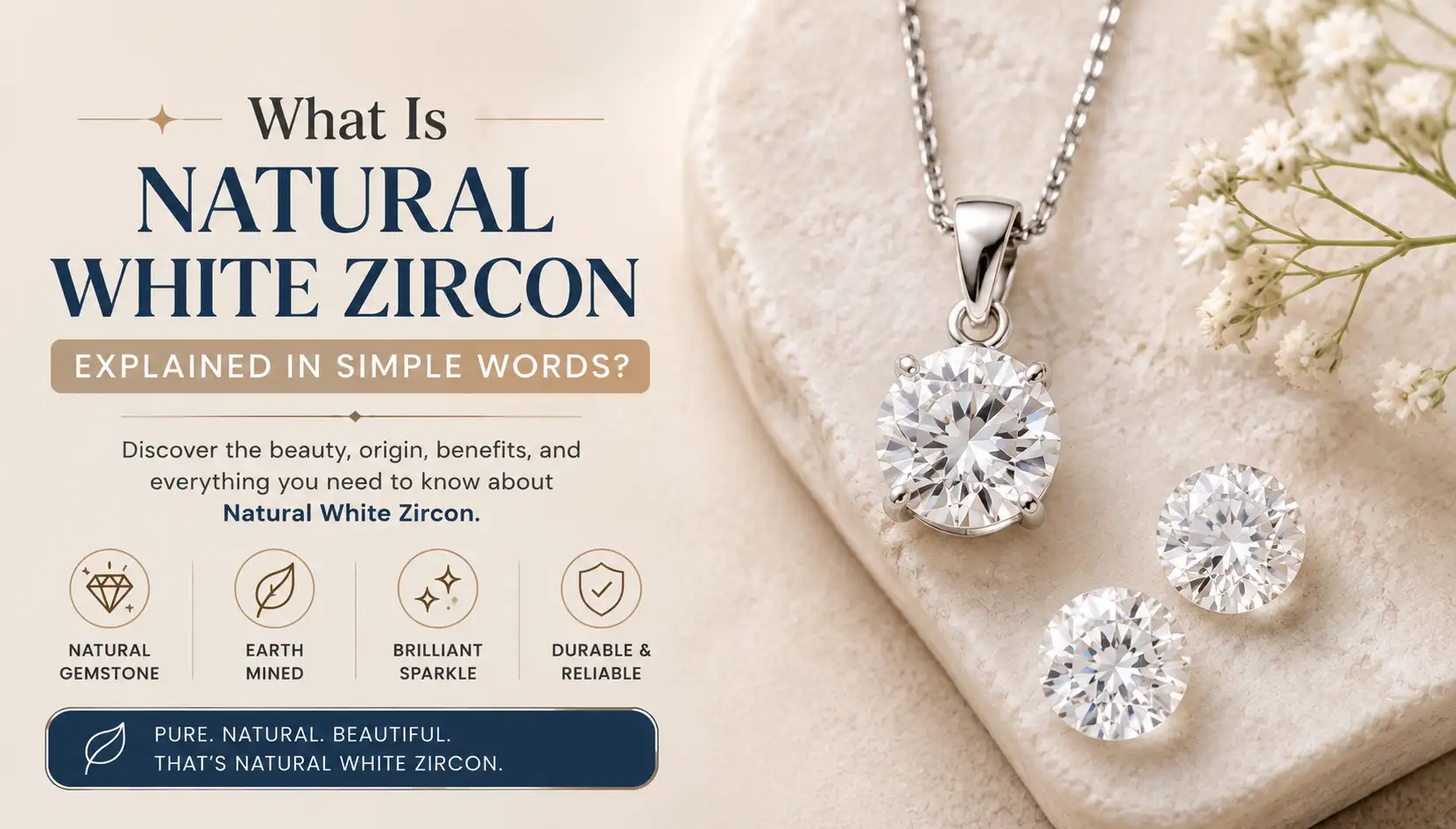
Ask a jeweler about natural white zircon, and the first thing they will most probably do is clear up one confusion. The white zircon is a natural gemstone, it comes out of the ground, and it has no relation to the cubic zirconia that shares half of its name.
The stone itself is the colorless form of the zircon mineral, and the jewelry trade has kept it around for one simple reason, it gives the diamond look at a price that stays within reach.
Here in this blog, we will talk about what the natural white zircon is, where it comes from, and what it offers, so you can know the stone beyond its confusing name.
So, let's get started.
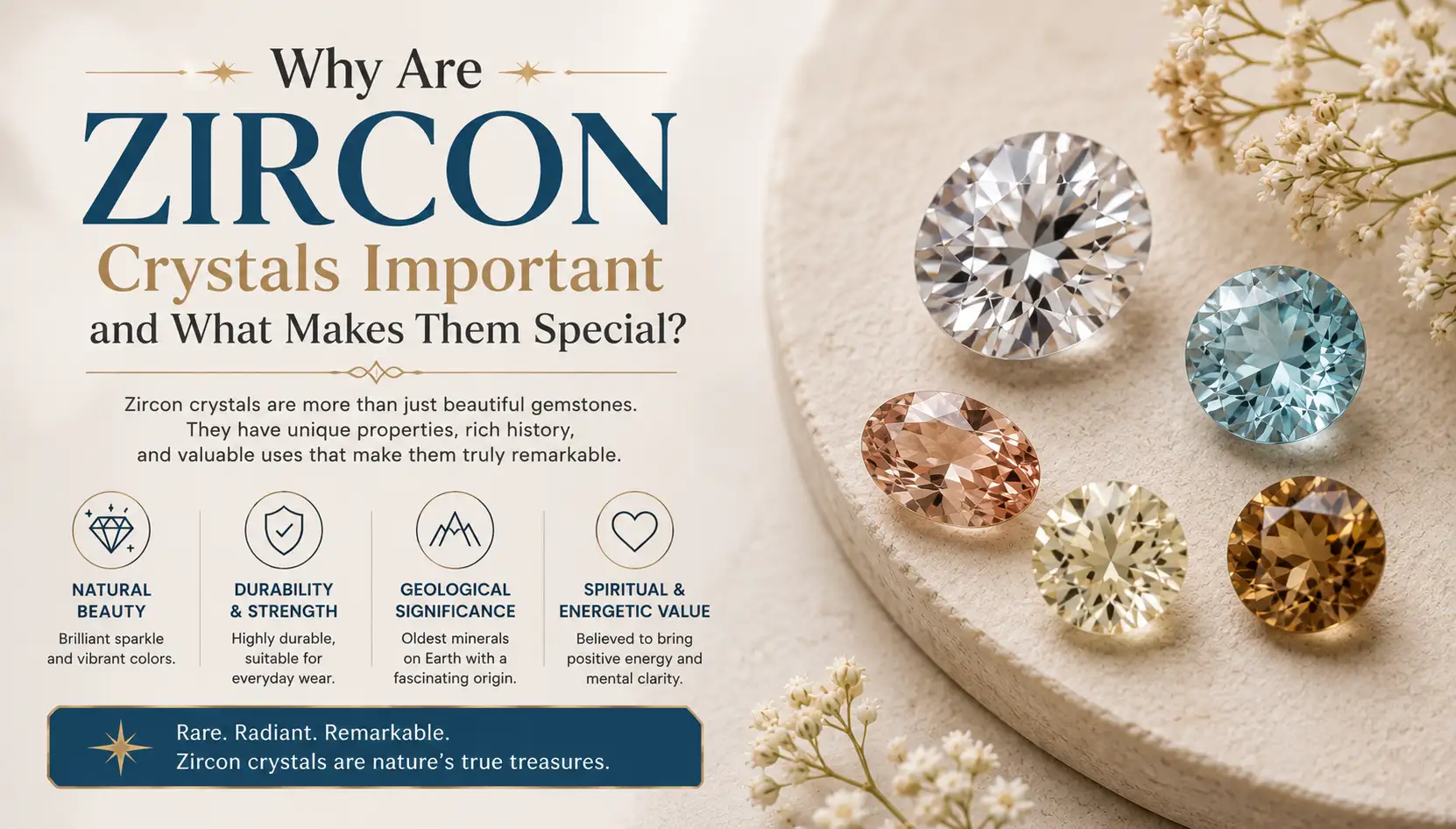
The white zircon is the colorless version of a natural mineral called zircon, the same mineral that comes in blue, honey, and brown shades too. The jewelry trade uses the word white for it, and colorless is what that word means at the counters, a stone with no color of its own that lets all the light out.
Most of the zircon does not come out of the ground colorless, though. The mined pieces mostly carry a brownish or a reddish tint in them, and the trade removes that tint by heating the stones, a treatment it has been doing openly for over a hundred years, so a good share of the white zircon sold today started its life as a brown stone.
The heating changes nothing in the nature of the stone. The mineral stays the same natural zircon after it, the way it stays the same gold after a goldsmith melts it, and the gem labs list the heated pieces as natural stones with a treatment note.
Cambodia sits at the top of the supply story of this stone. The mining there happens in small pits in family-run operations rather than any big corporate setup, and the zircon coming out of that ground responds to the heating better than the zircon of most other places, so the cutters and the treaters keep buying the Cambodian rough year after year.
Sri Lanka comes next, and its gem gravels have been giving the zircon along with the sapphires for centuries. The buyers there sort the zircon out of the same river beds that feed the rest of the island's gem trade.
Some supply also keeps coming from Tanzania, Madagascar, and Myanmar, and the trade moves most of this rough to the cutting centers in Asia before it reaches any jewelry counter. So the stone in a white zircon ring has most probably crossed three countries before finding its buyer.
The white zircon earned the diamond comparison long before this blog, as the jewelry from the early 1900s kept reaching the appraisers with the white zircons sitting in the old diamond settings, and many of those owners spent their whole lives believing the family ring carried a diamond in it.
The mix-up kept happening because the stone gives the same rainbow fire under the light, and from the arm's length at which most people admire a ring, the two stones show up as the same white sparkling thing, so even the pawn shops of that era kept taking the zircons in as the diamonds.
The jewelers of the same era had already found the one check that settles it. A white zircon seen through a loupe shows the lines of its back facets doubled, a diamond shows them single, and the older jewelers were running this one-minute check long before the electronic testers reached the counters. The same check still works at any counter today.
The white zircon has been losing its sales to its own name ever since the cubic zirconia arrived in the 1970s, as the two names sound like the same thing to most of the buyers, and the zircon is the one that gets mistaken for the lab stone rather than the other way around.
The materials do not match anywhere in this pair. The white zircon is a silicate mineral that the miners take out of the ground in Cambodia, Sri Lanka, and a few other places, and the cubic zirconia is an oxide that the labs started producing decades back for the cheap sparkle demand of the fashion jewelry.
The retailers who stock the natural stone have learned to work around the name over the years, and many of them write the full words natural zircon on their tags, since a buyer who reads only zircon tends to remember the two-dollar lab stone and passes the counter without asking anything.
The price gap also keeps the two apart for anyone who checks it. The cubic zirconia sells for almost nothing at the wholesale level, and the natural white zircon holds a proper gemstone price that moves with its size and its cut, so a natural tag sitting on a throwaway price is worth doubting before the money changes hands.
Ask any retailer who sells white zircon about its daily wear, and chances are that they will give you an honest answer instead of a sales line. The stone is durable, yes, but it is no diamond, and a seller who claims otherwise is not being honest with you.
The score sits between 6 and 7.5 on the Mohs scale. That keeps it harder than glass, and a good step below a diamond. So the daily scratches are not the worry here, the knocks are. Keep hitting a white zircon ring on the counters and the door handles for months, and the sharp edges of its cut will slowly turn round, and a stone with round edges loses the sparkle you paid for.
Now, does this mean you should skip this stone? Not at all. It means you should place it right. Put it in the earrings or a pendant, and it will go on for years without complaining, those pieces never take the hits a ring takes. Want it in a ring anyway? Keep that ring for the occasions, and let it sit out of the kitchen and the gym days.
Buy the stone knowing this one thing, and it rarely disappoints anyone.
So what should you do with all of this information? Keep it simple.
If you are buying for yourself, ask the seller one question before paying, mined or lab-made. Get the answer written on the bill. Then put the stone where it lasts the longest, in the earrings or a pendant, and save the ring for the occasions.
If you are a retailer, write the full words natural zircon on your tags. A good share of the lost sales hide inside that one word zircon, and chances are that a customer who reads the full words will stop and ask you about the stone instead of walking past it.
The stone has been doing its job for over a hundred years, and it will most probably keep doing it.