7 Days Shipping in “Ship Now” Collection
WORLDWIDE SHIPPING EXCEPT INDIA
Minimum Order Value: $1000
03 July, 2026
Most people think lapis lazuli is just a blue stone. Pretty, old, expensive once. That is about as far as it goes for them.
But there is a lot more sitting behind that blue than people realise. Some of it is strange. Some of it I did not believe myself until I looked it up.
Where it comes from, what it was worth, what people did with it, the facts are far more interesting than the stone looks.
Here in this blog, I will walk you through the facts about lapis lazuli that most people have never heard.
So, let's get started.
Almost all the good lapis in the world comes from one place that is Afghanistan. A region called Badakhshan, up in the mountains. There are other deposits scattered around, but the fine deep-blue stuff, most of it has come from there for thousands of years.
The main mine is called Sar-e-Sang. It sits high up in the Hindu Kush mountains, hard to reach, and the weather is so rough the mine only opens a few months in summer.
So when you hold a piece of good lapis, chances are it travelled out of one remote Afghan valley. That is a long way for a blue stone.
The name lapis lazuli might sound fancy, but in reality it is simple.
"Lapis" is just the Latin word for plain stone. The "lazuli" part traces back to an old Persian word for the place the blue came from, and over time it came to mean blue itself.
So put it together and the famous name basically means blue stone. That is it.
Also, the name of it is directly relevant to its color, which is blue and speaks about it.
Nowadays, you might have considered that lapis lazuli is an affordable stone, but it was not the case all the time.
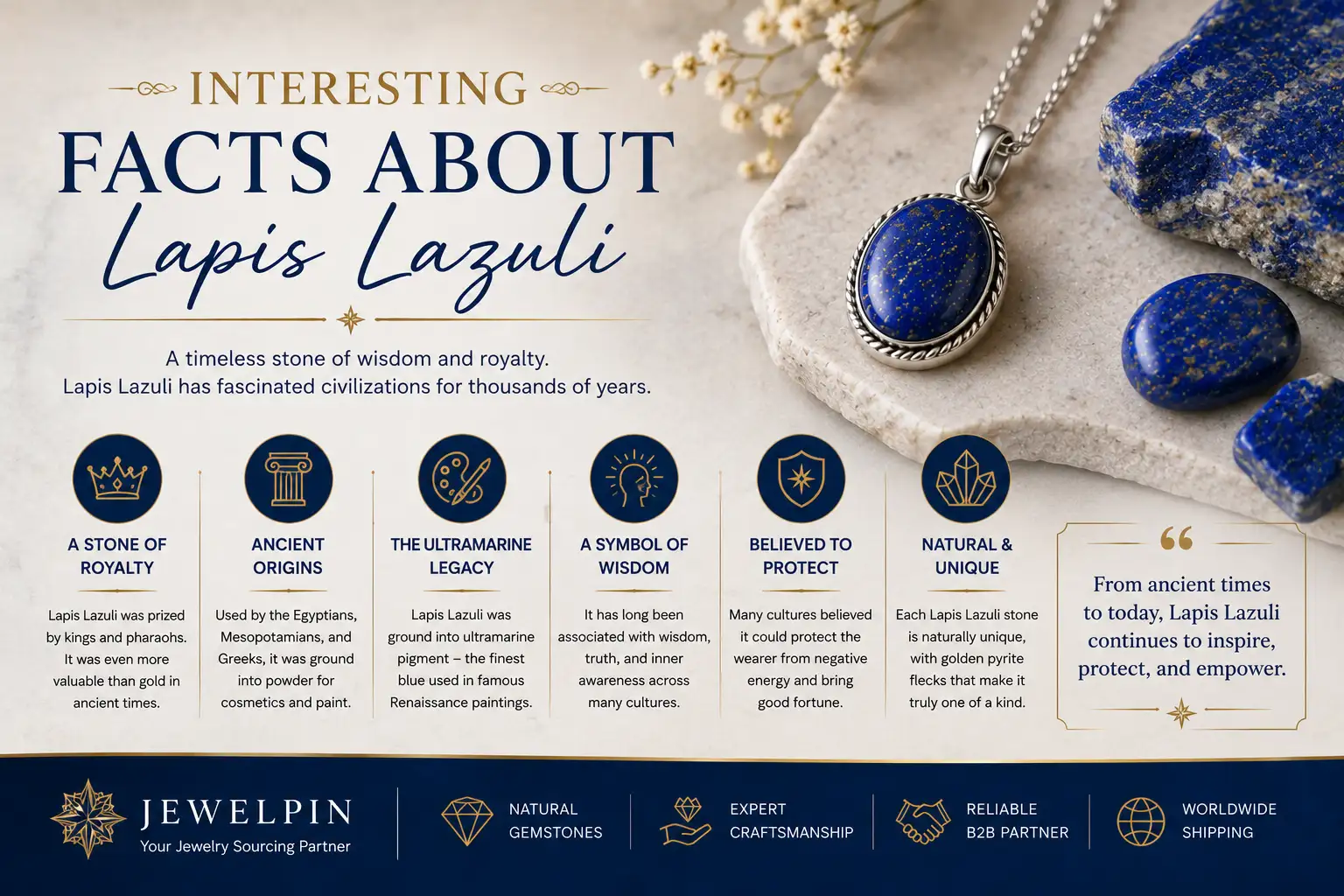
There was a point in history where lapis, or rather the blue paint made from it, was worth more than gold by weight.
Let me tell you why. Back in the Renaissance, the best blue paint was made by grinding lapis into powder. That powder was called ultramarine. Getting pure blue out of the stone was slow, painful work, and most of the rock turned to waste. A kilo of stone gives you only a small bit of usable pigment.
So painters paid a fortune for it. Some patrons paid for the exact amount of blue they wanted in a painting, separately. That is how costly it was.
This fact of lapis lazuli might seem similar to the previous one, but it deserves its own spot.
The paint, ultramarine, the name means "beyond the sea." Because the stone came to Europe over the sea from Asia, so they called the colour beyond the sea.
This was the blue you see in old paintings. The deep rich blue on the robes of Mary in church paintings, most probably that is lapis. Painters saved it for the most important parts because they could not afford to waste it.
A French chemist worked out a fake version of it in the 1800s. It was cheaper, and brighter that killed the lapis paint trade more or less. But the real thing came from this stone first.
The Egyptians loved this stone for centuries. They put it on jewelry, on amulets, ground it up for eye makeup, set it into the burial masks of their dead. The famous mask of Tutankhamun has lapis worked into it.
They were getting this stone from Afghanistan. Thousands of years ago when there were no trucks, no roads, just trade route after trade route carrying a blue stone halfway across the world because the pharaohs wanted it.
That tells you how much they valued it. People do not haul a stone that far for something they only half care about.
If you have been wearing the stone for a longer period of time, or have seen it up close, then you might know the little gold sparkles in it.
Most people assume that it is gold. However, it is not gold, it is pyrite. the same thing they call fool's gold.
So the stone that was once worth more than gold has fake gold sprinkled through it. I always thought that was a bit funny.
Those flecks are actually how some people judge a piece. A few specks scattered through deep blue, which looks good. However, when too much pyrite is present, the stone starts looking more grey than blue.
The mines in Afghanistan have been worked for something like 6,000 to 9,000 years. Pieces of lapis have turned up in ancient sites that date back thousands of years BC.
Think about that. The same mountains, the same stone, dug out by people for longer than most of recorded history. The Sar-e-Sang mine is often called one of the oldest mines on earth, still going.
Not many things connect us that directly to people from that far back. This stone does.
Lapis lazuli is not one mineral. It is a rock that is made up of a mix of a few different minerals stuck together.
The blue comes mostly from a mineral called lazurite. Also, there is the calcite, the white bits you sometimes see streaking through. The pyrite, those gold flecks I told you about. All of it together is what we call lapis.
So that is lapis lazuli, beyond just a pretty blue stone. One faraway mine, a name that just means blue stone, a blue paint that beat gold in price.
These interesting facts about lapis lazuli make it one of the stones that is worth exploring, and it always has something unique to offer.
So next time you see a piece of lapis, you will know there is a lot more behind that blue than the colour. That's all.